Carbon Neutrality is Non-Negotiable: A Perspective from Bangladesh
- Md. Zahid Hossain

- Nov 16, 2024
- 4 min read
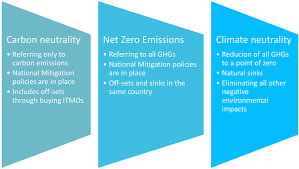
In a world increasingly threatened by climate change, "carbon neutrality" has transitioned from a lofty goal to a critical imperative. Carbon neutrality—achieving net-zero carbon dioxide emissions by balancing emitted carbon with carbon offsets or reduction—has become essential in mitigating the escalating effects of climate change. For a nation like Bangladesh, which is highly vulnerable to environmental degradation, achieving carbon neutrality is a global obligation and a survival strategy. The stance that carbon neutrality is non-negotiable reflects a commitment to both ethical responsibility and practical necessity.

The Climate Crisis and Bangladesh's Vulnerability
Bangladesh is globally recognized as one of the most climate-vulnerable countries. With a population exceeding 170 million, the country faces severe risks from rising sea levels, extreme weather events, and shifting agricultural patterns. The Intergovernmental Panel on Climate Change (IPCC) estimates that sea levels could rise by over one meter by the end of the century, potentially submerging nearly 20% of Bangladesh’s landmass. This would displace millions of people, exacerbate poverty, and create an unprecedented climate refugee crisis.
The annual monsoons and devastating cyclones, like Cyclone Sidr (2007) and Cyclone Amphan (2020), already underscore the precarious balance in which Bangladesh lives. Agriculture, which employs nearly 40% of the workforce, is directly affected by erratic rainfall, floods, and salinity intrusion. Carbon neutrality, therefore, is not merely a scientific ambition but a shield against existential threats.
Why Carbon Neutrality is Essential for Bangladesh
Protecting Livelihoods: Bangladesh's economy is heavily reliant on climate-sensitive sectors such as agriculture, fisheries, and forestry. Without achieving carbon neutrality globally, the nation risks losing vast swathes of arable land, reducing food security, and jeopardizing livelihoods.
Addressing Urban Challenges: Rapid urbanization and industrialization, particularly in cities like Dhaka and Chittagong, have led to significant increases in greenhouse gas emissions. Achieving carbon neutrality would involve adopting cleaner technologies and infrastructure, addressing air pollution, and ensuring sustainable urban development.
Global Responsibility: While Bangladesh contributes less than 0.35% of global greenhouse gas emissions, it is disproportionately affected by climate change. By championing carbon neutrality, Bangladesh can set an example for other developing nations, pushing global leaders to adhere to their commitments under the Paris Agreement.
Economic Opportunities: Transitioning to renewable energy, improving energy efficiency, and investing in green technologies can create new economic opportunities. Solar energy, wind farms, and sustainable agriculture can attract foreign investment and foster innovation.

Bangladesh's Current Efforts Toward Carbon Neutrality
Despite its limited resources, Bangladesh has made commendable progress in addressing climate change:
Renewable Energy Initiatives:
The Solar Home System (SHS) program, supported by the Infrastructure Development Company Limited (IDCOL), has installed over 6 million solar systems, benefiting millions of rural households.
https://www.thedailystar.net/opinion/editorial/news/carbon-neutrality-non-negotiable-3753226
The government’s push to generate 40% of electricity from renewable sources by 2041 reflects a commitment to clean energy.
Reforestation Projects: Bangladesh’s Social Forestry Program has successfully involved local communities in reforesting degraded lands, helping offset carbon emissions while improving biodiversity.
Climate Resilience Plans: The Bangladesh Delta Plan 2100 focuses on ensuring sustainable water resources, protecting coastal areas, and mitigating climate risks. The Nationally Determined Contributions (NDCs) under the Paris Agreement also outline strategies for reducing emissions and increasing resilience.
Green Financing: Banks and financial institutions in Bangladesh are increasingly offering green bonds and loans to support environmentally friendly projects. The central bank’s initiatives to promote green financing are fostering the growth of renewable energy and energy-efficient industries.
The Challenges Ahead
While Bangladesh’s commitment to carbon neutrality is admirable, significant challenges remain:
Limited Resources: Bangladesh’s low GDP per capita limits its ability to invest in high-cost green technologies and infrastructure. International funding is crucial for bridging this gap.
Dependence on Fossil Fuels: The country’s reliance on coal and natural gas for energy generation poses a major hurdle to achieving carbon neutrality. Transitioning to renewable sources will require substantial policy shifts and investments.
Population Pressure: With one of the highest population densities in the world, balancing development needs with environmental goals is an ongoing struggle.
Global Inaction: While Bangladesh is taking steps toward carbon neutrality, the lack of action from major emitters like the United States, China, and India undermines the global fight against climate change.
Strategies to Accelerate Carbon Neutrality in Bangladesh
Promoting Renewable Energy: Scaling up solar, wind, and hydropower projects can reduce reliance on fossil fuels. The government should incentivize private sector participation in renewable energy initiatives.
Enhancing Public Transportation: Expanding efficient public transportation systems like metro rails and electric buses can reduce urban emissions significantly.
Adopting Sustainable Agriculture: Encouraging practices like crop rotation, organic farming, and water-efficient irrigation systems can enhance carbon sequestration and reduce methane emissions.
Engaging Communities: Grassroots movements and public awareness campaigns can mobilize citizens to adopt greener lifestyles, such as reducing waste, conserving energy, and planting trees.
International Collaboration: Bangladesh should advocate for greater international support in the form of technology transfers, climate financing, and capacity-building programs to meet its carbon neutrality goals.
The Moral and Practical Imperative
Achieving carbon neutrality is both a moral responsibility and a practical necessity for Bangladesh. Failing to act would jeopardize the country’s economic development, social stability, and environmental health. While the path to carbon neutrality is fraught with challenges, it also presents an opportunity to transform Bangladesh into a resilient, sustainable, and innovative nation.
As a country that has faced climate adversities with resilience, Bangladesh has the potential to lead by example. Through bold policies, community engagement, and international cooperation, carbon neutrality can become not just an achievable target but a defining legacy for future generations.
In conclusion, carbon neutrality is non-negotiable because the stakes are too high. For Bangladesh, it is not just about aligning with global efforts but ensuring a safer, more equitable future for its people.


Comments