RMG & Textile sector needs good preparation for challenges ahead in 2025 & beyond.
- Md. Zahid Hossain

- Dec 18, 2024
- 4 min read

INTRODUCTION:
Below is a comprehensive guideline tailored for your team in the ready-made garments (RMG) and textiles sector, focusing on addressing global challenges and local socio-political turmoil. The goal is to ensure resilience, adaptability, and continued growth in the face of uncertainties.
STRATEGIC GUIDELINE FOR RMG AND TEXTILES: 2025 AND BEYOND
i) Political Instability Preparedness:
o Monitor socio-political developments proactively.
o Maintain a buffer stock of raw materials to avoid disruptions in case of strikes or import/export delays.
o Develop relationships with multiple logistics providers to mitigate transport disruptions.
o Create a crisis management team to handle operational risks.
ii) Currency Fluctuation Hedging:
o Secure forward contracts for key currencies like USD or Euro.
Regularly monitor exchange rates and engage with buyers for mutual risk-sharing agreements

Focus on Sustainability
i) Environmental Compliance:
o Invest in energy-efficient machinery and renewable energy sources.
o Reduce water consumption in dyeing and processing operations.
o Align with global initiatives like Higg Index and ZDHC (Zero Discharge of Hazardous Chemicals).
ii) Circular Economy:
o Introduce programs for recycling fabric scraps and reusing production waste.
o Partner with global brands promoting sustainable and recycled fashion.
iii) Carbon Footprint Reduction:
o Document your progress on reducing emissions to meet buyers’ requirements.
o Seek green certifications (e.g., GOTS, Oeko-Tex) to stand out in the global market.
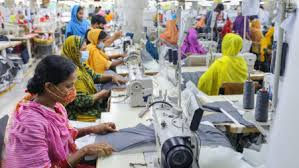
Enhancing Workforce Engagement and Safety
i) Wage Optimization and Worker Benefits:
o Align compensation with the recently revised minimum wage (BDT 12,500).
o Provide non-financial benefits like health coverage, daycare services, and upskilling programs.
ii) Workplace Safety Compliance:
o Strengthen adherence to Accord and Alliance safety standards.
o Conduct quarterly fire and structural safety audits.
o Use digital tools to track compliance progress.
iii) Upskilling Programs:
o Train workers on using new technologies like AI-assisted sewing or CAD-based designing.
o Offer managerial training to mid-level supervisors to ensure better team coordination.
Diversifying Product Lines and Markets
i) Exploring New Markets:
o Target non-traditional export destinations such as Africa, South America, and the Middle East.
o Utilize GSP benefits in emerging economies.
ii) Value-Added Products:
o Shift focus to functional apparel (e.g., anti-bacterial, water-repellent fabrics).
o Explore premium categories like athleisure and luxury home textiles.
o Partner with international designers to cater to niche fashion markets.
iii) Digital Sales Channels:
o Develop an online presence for direct-to-consumer sales of items like Lungi, Gamcha, and pillowcases.
o Engage in e-commerce partnerships with platforms like Amazon, eBay, or Zalando.

Strengthening Buyer Relationships
i) Transparent Communication:
o Share updates on order progress and compliance regularly using digital platforms like PLM (Product Lifecycle Management) systems.
ii) Negotiation & Long-Term Contracts:
o Negotiate longer-term supply agreements to secure predictable demand.
o Offer buyers flexible payment terms in exchange for consistent volume commitments.
iii) Focus on Certifications:
o Prioritize getting ethical and sustainable sourcing certifications (e.g., SA8000, WRAP, SEDEX).
Leveraging Technology and Innovation
i) Automation:
o Incorporate AI-driven production planning to optimize lead times.
o Invest in robotic cutting machines and automated stitching solutions.
ii) Digitalisation:
o Implement ERP systems to streamline operations from order receipt to shipment.
o Use blockchain for supply chain transparency, especially for eco-conscious buyers.
iii) Data-Driven Decision Making:
o Regularly analyze production data to improve efficiency and reduce wastage.
o Conduct periodic market research to anticipate fashion trends and buyer needs.
Financial Resilience
i) Cost Optimisation:
o Benchmark operating costs against global standards to identify savings opportunities.
o Engage in bulk raw material purchases to reduce per-unit cost.
ii) Access to Funding:
o Leverage low-interest export development funds or government subsidies for RMG.
o Collaborate with international investors interested in sustainable textile ventures.
iii) Contingency Funds:
o Set aside 5-10% of annual profits for emergencies such as strikes, natural disasters, or global recessions.
Community Engagement & Brand Building
i) Corporate Social Responsibility (CSR):
o Partner with local organizations for worker welfare programs.
o Sponsor community projects to build goodwill and attract socially conscious buyers.
ii) Marketing Initiatives:
o Showcase factory compliance and sustainability initiatives in marketing materials.
o Strengthen your digital presence on platforms like LinkedIn and trade expos.
iii) Crisis Communication:
o Develop a communication strategy to handle negative media coverage or buyer concerns during socio-political turmoil.

KPIs to Monitor Progress
I) Production Metrics:
On-time delivery rate: Aim for 95% or higher
Defect rate: Reduce to below 2%.
ii) Sustainability Metrics
a) Carbon emission reduction: Target a 10% annual decrease.
b) Waste recycling: Achieve 80% recycling of production waste by 2026.
iii) Financial Metrics:
Gross margin: Maintain or exceed 15%.
o Market diversification: At least 20% revenue from new markets.
iv) Workforce Metrics:
o Worker retention: Maintain a retention rate of 90% or above.
o Training hours: Average of 40 hours per worker annually.
Conclusion
By adopting this guideline, your team can build resilience against socio-political and economic challenges while aligning with global trends like sustainability, automation, and ethical practices. Regular evaluation of progress and flexibility to adapt to unforeseen changes will be key to long-term success.


Comments